
Ways to Cook with Green Vegetables
Healthy green vegetables are some of the most nutrient-dense food on the planet.
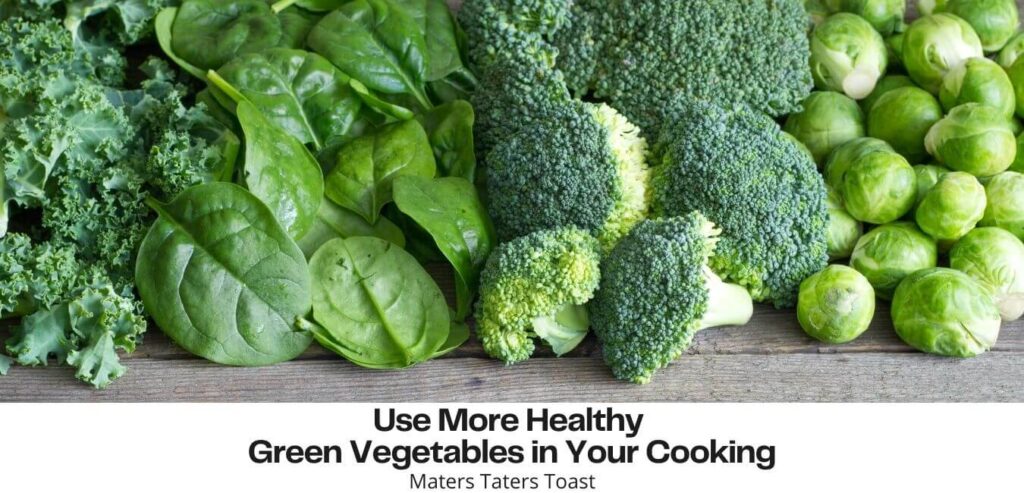
Eating them as often as possible is a great way to improve your health and feel energized all day long. Most people don’t eat enough of these healthy wonders, but it doesn’t have to be that way!
There are many ways you can add more vegetables to your cooking. Here are 11 easy ways you can add more green veggies to your cooking.
#1 Add vegetables to your favorite pasta dish.
Vegetable pasta is a great way to get more vegetables into your diet while still enjoying comfort food like spaghetti and meatballs or lasagna.
There are two different techniques you can use when making vegetable noodles:
1) Cook regular pasta as usual, but add in healthy veggies such as asparagus, broccoli, kale, or spinach.
Broccoli goes great in mac and cheese.
2) Use spiralizers to make thin strips out of zucchini or eggplant for raw dishes that need cooked noodles (like ratatouille).
You don’t have a spiralizer? No problem! Just cut very thin slices/shavings with veggie peelers.
#2 Hide vegetables in soups, sauces, and dressings.
Being a picky eater doesn’t mean you have to completely avoid veggies.
You can hide fresh or frozen vegetables in soups, sauces, and salad dressings!
To make the process easier on yourself, invest in a blender that will let you puree your own cooked ingredients into smooth textures without hassle.
Some great options are potatoes (especially russet), onion, tomatoes & squash as they’ll blend right up with ease!
If it’s not summertime yet where you live but still want fresh produce, try canned carrots instead of baby ones; either way works just fine!
#3 Meatballs easily hide vegetables.
Adding vegetables to meatballs is an easy way to sneak in some healthy ingredients.
Whether you’re cooking vegetarian or with ground beef, adding veggies before it’s cooked makes them undetectable for picky eaters and kids!
Little ones will never suspect the spinach hiding inside these veggie-packed turkey burgers. Or make a batch of pesto chicken skewers, where basil helps mask any green additions made from zucchini and yellow squash.
#4 Use vegetables as the base for wraps and sandwiches.
If you’re looking to cut down on bread or are just bored with eating it all the time, consider switching your base ingredient to green vegetables.
For instance, instead of a burrito wrapped in tortilla bread, try wrapping one up using lettuce for an alternative take that will still satisfy any cravings.
Or make a sandwich by stacking meat and cheese between two thick pieces of kale leaves rather than regular sliced wheat bread slices.
#5 Kick up the flavor of a casserole by adding more vegetables to it.
Casseroles are a quick and easy meal that can be quickly thrown together using whatever ingredients you have on hand.
You don’t need to stick with just the basics, in fact adding vegetables will make your casserole look more appealing as well as add flavor! Get creative by trying different veggies out until you find one or two your family enjoys eating most often.
Vegetables add color and flavor to casseroles, so you should try out different vegetables in your recipes.
Want your family to eat more green vegetables? One of the best ways is to add green veggies such as broccoli to your chicken casserole. Another green veggie that can be added to casseroles is kale. Try adding kale to a breakfast casserole or omelet.
Don’t be afraid of experimenting with new ingredients!
#6 Hide veggies in your favorite smoothie.
Smoothies are a great way to combine protein and healthy greens and hide the taste of vegetables in an otherwise tasty drink.
Mixing veggies with fruits in your smoothie can create a variety of flavors that will mask the flavor and make it easier to drink.
Green veggies and fruit are a match made in heaven. Pair them up for an antioxidant boost with your morning smoothie.
Putting spinach in a smoothie may not be the first thing you think of, but it is an easy way to incorporate more vegetables into your day.
By using this healthy ingredient with fruits like bananas and berries, you can make delicious tasting drinks that contain beneficial nutrients! Add yogurt or nuts to make it even more nutritious.
Experimenting to find the right combination of fruits and veggies can lead to delicious smoothies with beneficial health effects such as protein for muscles or calcium for bones.
#7 Make zucchini breakfast muffins.
Zucchini is a versatile vegetable that is high in antioxidants, Vitamin A, and potassium. It is one of those vegetables that most people tend to avoid because they don’t know how to prepare it.
You can make it into zucchini noodles, you can even use it in your lasagna. But did you know that zucchini also makes for an interesting breakfast?
One way you can enjoy the benefits of zucchini for breakfast is by making a batch of healthy muffins. Plus, you can easily make gluten-free muffins, that are perfect for people with dietary restrictions.
Zucchini muffins are a great way to sneak some vegetables into your breakfast or lunch.
#8 Try a cold salad using green peas.
One of the most underrated vegetables is green peas. They are a perfect ingredient for cold salads because they are very easy to prepare and have a mild flavor that blends well with other ingredients.
Our favorite green pea salad uses frozen green peas. It’s very simple to make! Just take a small bag of frozen peas and toss them into the microwave for about 4 minutes. Long enough to thaw them. Then run them under some cold water and drain. Add some diced onion, cubed American or cheddar cheese, mayonnaise (sometimes we use Ranch Dressing instead), a dash of mustard, salt, and pepper. Mix it all together and put it in the refrigerator to get cold. Another way we add some protein to this salad is by adding a couple of chopped boiled eggs.
Hopefully, our recipe will provide you with some ideas on how to make an amazing cold salad using green peas!
#9 Use green cabbage in a stir-fry recipe.
Green cabbage is a great vegetable for people who are new to cooking. One easy way to cook cabbage is by stir-frying it.
A stir-fry is a quick and easy dish to prepare. Cabbage is a great addition to the more common vegetables used in stir-fry dishes because it has a mild flavor that will not overpower other ingredients in your stir-fry recipe, and it’s easy to prepare.
Cabbage is a wonderfully underrated vegetable. It’s not only great for stir-fry but it can be used as a tasty alternative to lettuce in salads!
Don’t like stir fry dishes? Add some cabbage to your diet by making a cabbage soup.
#10 Use your air-fryer to turn those green vegetables into fries.
Don’t you just love french fries? They’re crispy on the outside, fluffy, and salty on the inside. But what do you do if your kids or parents can’t eat fried foods?
You don’t have to give up those delicious flavors! Veggies like broccoli and asparagus make great alternatives to potatoes for a healthier lifestyle. But wait, you can turn even more green veggies into fries!
Green beans, kale, and zucchini are also great alternatives to potatoes and can be easily air-fried.
These green vegetables are air-fried instead of deep-fried, which makes them much lower in fat and calories than their traditional counterparts.
Your family will enjoy these tasty veggies that taste as they came right out of the fryer but without all of that grease!
#11 Puree some green veggies and add them to your favorite dessert recipe.
Veggies can be a part of your favorite dessert recipes!
Add some pureed green veggies to your favorite brownies or chocolate cake. Or, if you’re in the mood for a fruity treat, use mashed bananas and spinach in place of eggs in lime-flavored angel food cake or strawberry shortcake.
There’s no need to feel limited by what vegetables you choose. Try any vegetable puree for fun!
For whatever reason, you might have been put off from eating them before this is a great way to get more veggies into your diet without even realizing it.
The health benefits of consuming vegetables are many and varied.
Green vegetables are great for your health, but if you’re having a hard time eating them plain try adding them into new dishes.
For those struggling to eat salads, there’s an array of recipes one can try out in order to incorporate more vegetables into their diet – from mango-filled bell peppers for a delicious summer dish that is perfect as a side or main course at dinner time; to zucchini pancakes which make great breakfast food!
Your taste buds and body will both benefit from this!
The ways to use more healthy green vegetables in your cooking are endless.
From pasta dishes, soups, sauces, salads, and dressings – there is no end to the possibilities for adding green vegetables to your diet by changing up your favorite dish by adding different green veggies or getting your picky eater to eat more veggies by hiding them in some of their favorite meals!
Figuring out how you can incorporate more vegetables into what you’re already doing shouldn’t be too hard. It could make a huge difference in your health without much effort at all.
Whether you’re preparing a pasta dish, soup, salad dressing or meatballs – there are plenty of ways to sneak in more vegetables.
Think about your favorite recipes and consider how adding one or two extra veggies could make them even healthier without altering the flavor too much.
If this post has given you some ideas for healthy dishes that incorporate more green vegetables, let us know which one is now on your menu plan for tonight’s dinner!





Great post! We use green peas to make a green pea salad similar to the one you listed. We also air-fry asparagus and broccoli! Thanks for the great tips!